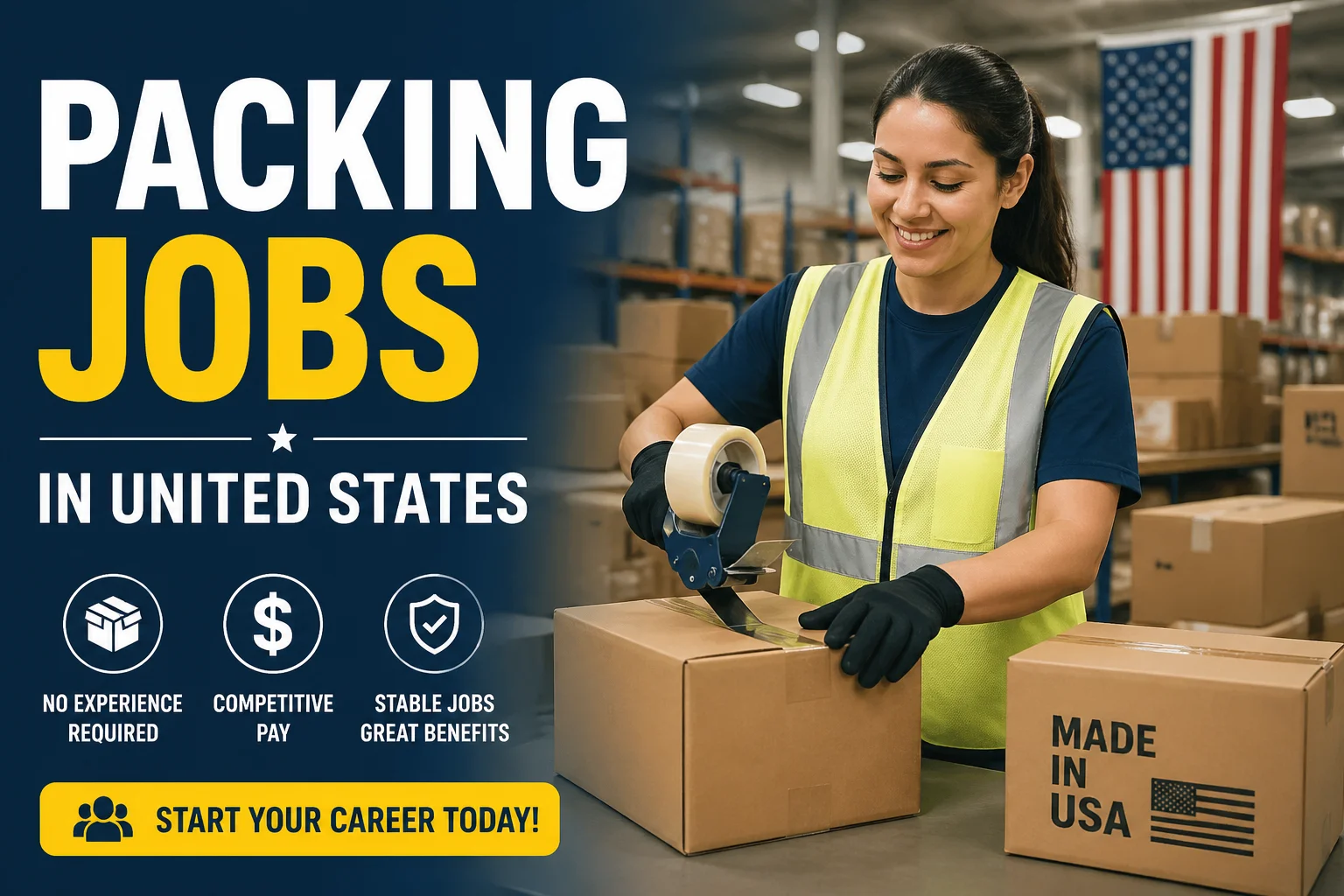

Packing Jobs in the United States: Opportunities and Insights
The United States offers a wide range of employment opportunities, and packing jobs are among the most accessible and in-demand roles across various industries. From warehouses to manufacturing plants, packing jobs play a crucial role in ensuring products reach consumers safely and efficiently. This article explores the landscape of packing jobs in the United States, including job types, requirements, benefits, and how to find these opportunities.
What Are Packing Jobs?
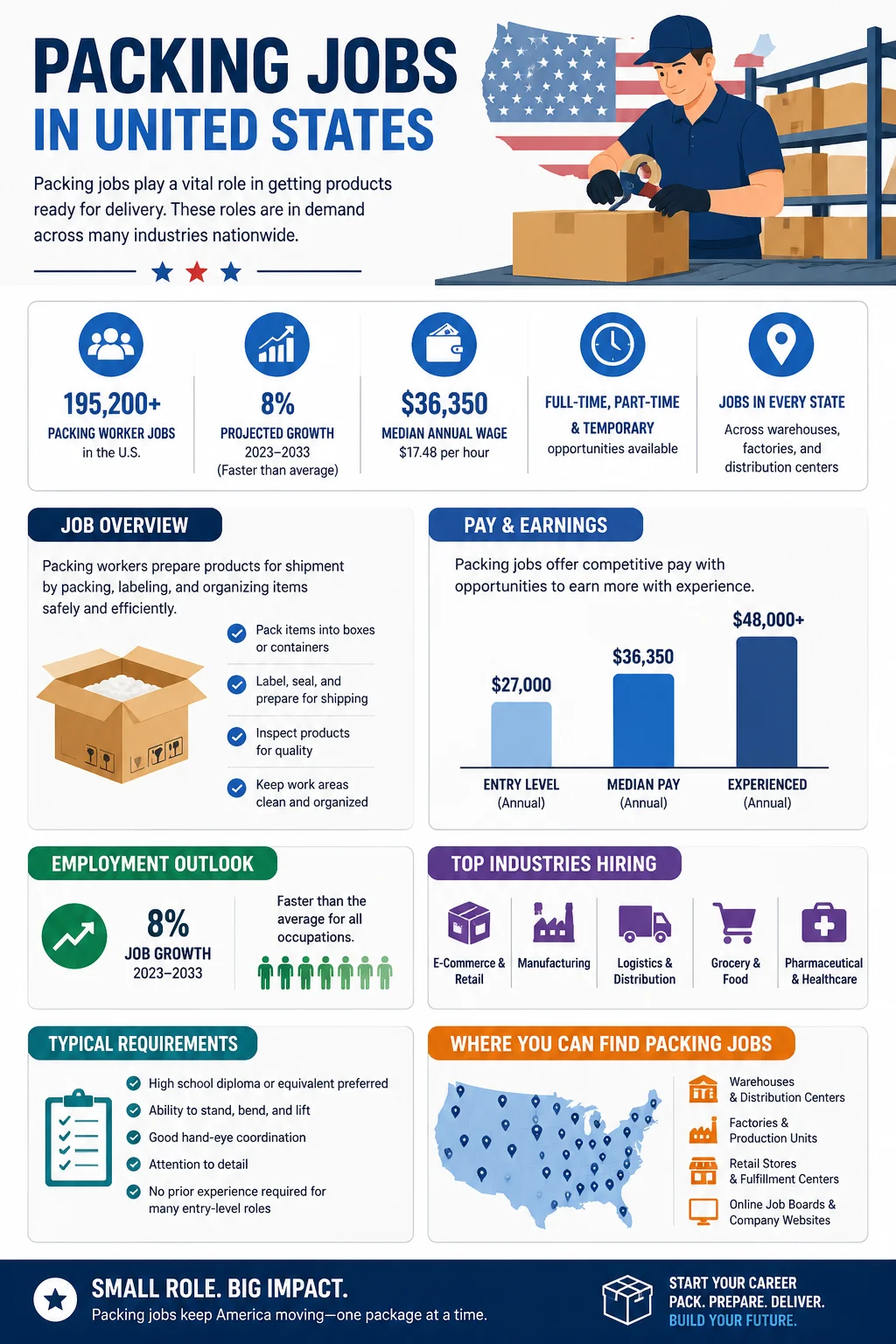
Packing jobs involve preparing goods for shipment, storage, or sale by packaging them securely. Workers in these roles ensure that items are protected during transit, labeled correctly, and meet quality standards. Packing jobs are common in industries like e-commerce, retail, manufacturing, food processing, and logistics. With the rise of online shopping, the demand for packers has surged, especially in fulfillment centers for companies like Amazon, Walmart, and FedEx.
Types of Packing Jobs in the United States
Packing roles vary depending on the industry and employer. Here are some common types of packing jobs available across the country:
- Warehouse Packer: Responsible for packing items in distribution centers, often for e-commerce giants. Tasks include sorting, wrapping, and labeling products.
- Food Packer: Works in food processing plants to package perishable goods, ensuring compliance with safety and hygiene standards.
- Manufacturing Packer: Packs finished goods in factories, often working with machinery to seal or box products.
- Seasonal Packer: Temporary roles during peak seasons like holidays, commonly found in retail and shipping companies.
- Freight Packer: Focuses on preparing large shipments or cargo for transport, often in logistics or shipping firms.
Skills and Requirements for Packing Jobs
Most packing jobs are entry-level, making them accessible to individuals with minimal experience. However, certain skills and qualifications can improve employability:
- Physical Stamina: Packing often requires standing for long hours, lifting heavy items, and repetitive tasks.
- Attention to Detail: Ensuring products are packed correctly and meet quality standards is critical.
- Basic Math Skills: Useful for counting inventory or measuring materials.
- Teamwork: Many packing roles involve working in fast-paced environments alongside others.
- Education: A high school diploma or equivalent is often sufficient, though some roles may not require formal education.
Some employers provide on-the-job training, while others may prefer candidates with prior experience in warehousing or logistics. Additionally, certain industries, like food packing, may require certifications in food safety.
Benefits of Working in Packing Jobs
Packing jobs offer several advantages, especially for those entering the workforce or seeking flexible employment:
- Entry-Level Opportunities: Many positions require little to no experience, making them ideal for beginners.
- Flexible Schedules: Part-time, full-time, and seasonal roles are widely available, accommodating various lifestyles.
- Job Security: With the growth of e-commerce, packing jobs remain in high demand.
- Potential for Growth: Starting as a packer can lead to roles like warehouse supervisor or logistics coordinator with experience.
Where to Find Packing Jobs in the United States
Finding packing jobs is easier than ever thanks to online job platforms and company career pages. Here are some effective ways to search for opportunities:
- Job Boards: Websites like Indeed, Monster, and Glassdoor list thousands of packing job openings nationwide.
- Company Websites: Major employers like Amazon, UPS, and Target often post openings directly on their career portals.
- Staffing Agencies: Agencies specializing in warehouse and industrial jobs can connect candidates with packing roles.
- Local Listings: Check community boards or local newspapers for opportunities in nearby warehouses or factories.
Networking with industry professionals or attending job fairs can also uncover hidden opportunities, especially for seasonal or temporary roles.
Challenges of Packing Jobs
While packing jobs offer many benefits, they come with challenges. The work can be physically demanding, requiring long hours on your feet and repetitive motions. Some roles may involve working in extreme temperatures, such as cold storage for food packing. Additionally, during peak seasons, overtime may be mandatory, which can be exhausting. However, with proper preparation and workplace safety measures, many workers adapt to these conditions.
Salary and Job Outlook for Packers in the United States
According to the U.S. Bureau of Labor Statistics, the median hourly wage for packers and packagers is around $14-$16, though this varies by location, industry, and experience. Entry-level positions may start at minimum wage, while experienced packers or those in specialized roles can earn upwards of $20 per hour. The job outlook remains positive, with steady demand driven by e-commerce growth and consumer goods industries.
Tips for Success in Packing Jobs
To thrive in a packing role, consider the following tips:
- Stay Organized: Keep your workspace tidy to improve efficiency and safety.
- Prioritize Safety: Follow workplace guidelines to avoid injuries, especially when handling heavy items or machinery.
- Be Punctual: Reliability is key in fast-paced environments like warehouses.
- Seek Training: Take advantage of any offered training to enhance your skills and qualify for promotions.
Conclusion
Packing jobs in the United States provide a gateway to stable employment with opportunities for growth. Whether you’re looking for a seasonal gig or a long-term career, the demand for packers in warehouses, factories, and fulfillment centers continues to rise. By honing essential skills, leveraging job search resources, and staying committed, you can build a rewarding career in this field. Start exploring packing job opportunities today and take the first step toward a fulfilling role in the U.S. workforce.